Home care in Croydon
Professional elderly care at home across Croydon — personal care, dementia support, and flexible visits tailored to your family.
Staying active in later life supports strength, balance, confidence, and independence, helping older adults maintain mobility, protect mental wellbeing, and continue enjoying everyday activities safely at home and in the community.
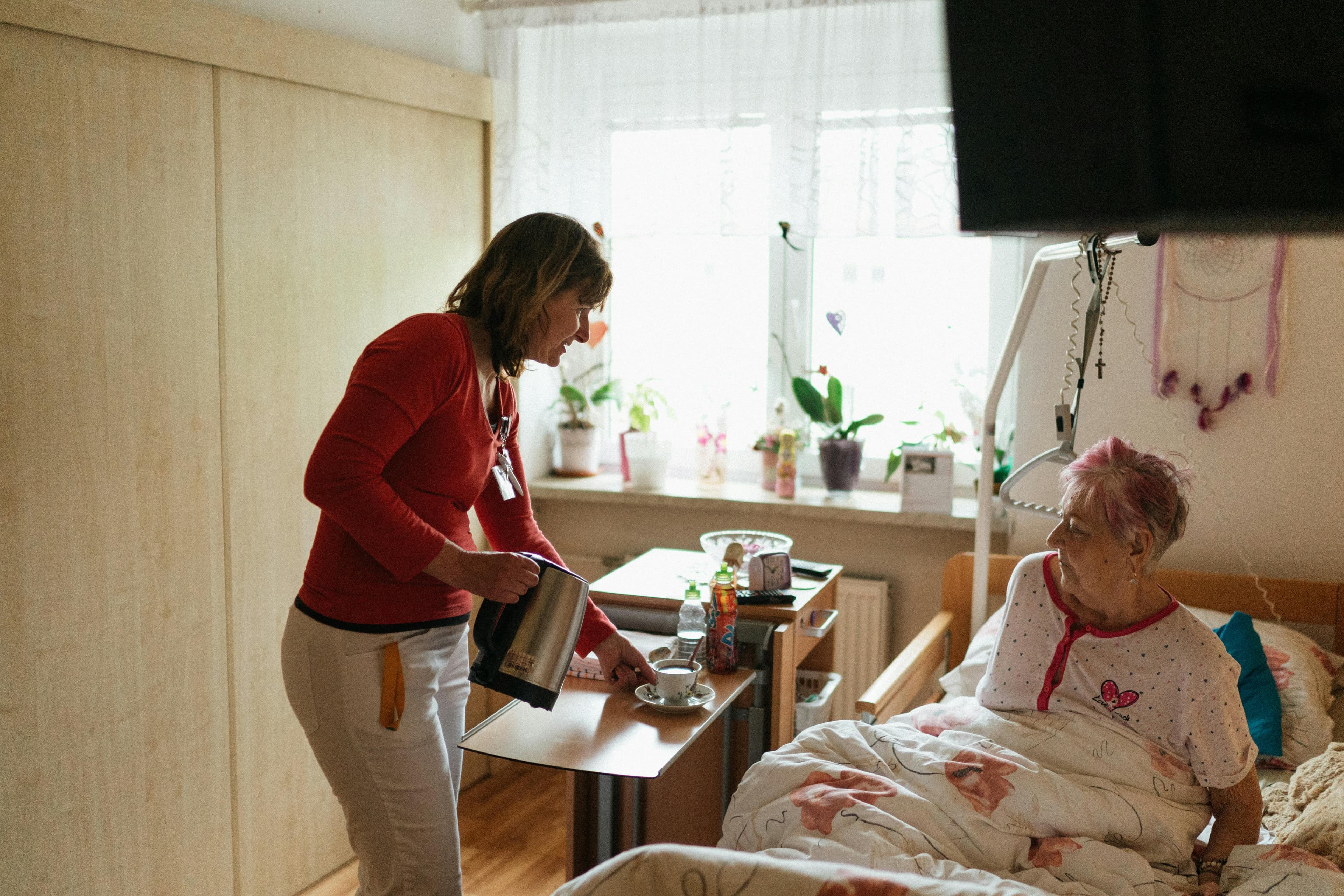
Physical activity remains one of the most effective ways to support healthy ageing. Staying active in later life helps maintain muscle strength, joint mobility, and balance — all of which play a vital role in preserving independence at home. Regular movement also supports heart health, digestion, sleep quality, and overall energy levels. For many older adults, the challenge is not knowing that activity matters, but finding safe, realistic ways to stay moving consistently.
Activity does not have to mean strenuous exercise. Gardening, walking, gentle stretching, dancing, swimming, or chair-based exercises can all provide meaningful benefits without placing unnecessary strain on the body. The best approach is one that fits individual ability and interest. Enjoyment matters because people are far more likely to maintain habits they genuinely look forward to rather than those that feel like a chore or a test of endurance.
Strength and balance deserve particular focus. Simple exercises that strengthen legs and core muscles can reduce the risk of falls, which remain a major concern for older adults and their families. Balance training — such as standing exercises with support or guided movement classes — can improve confidence when walking, climbing stairs, or moving around the home. Even modest improvements can make everyday tasks feel safer and more manageable.
Physical activity also benefits mental health. Movement releases tension, supports better sleep, and can lift mood by providing structure and a sense of achievement. Shared activity, whether with a friend, family member, or care professional, adds valuable social contact. For someone who spends long periods alone, a regular walk or exercise routine can become an important anchor in the day, offering both physical and emotional rewards.
It is important to recognise that activity should be adapted to health conditions and mobility levels. Arthritis, breathlessness, pain, or fatigue may require a gentler approach, but seldom mean activity should stop altogether. In many cases, the right support makes movement possible again. A care professional can help plan achievable goals, provide reassurance during activity, and encourage consistency in a way that feels supportive rather than pressuring.
The home environment can either help or hinder activity. Clear walkways, appropriate footwear, and accessible spaces make it easier to move confidently indoors. Outside the home, familiar routes and sensible pacing help maintain community engagement without overwhelming someone who tires quickly. Small, frequent periods of movement are often more beneficial than occasional bursts of effort followed by long periods of inactivity.
Staying active in later life is ultimately about maintaining freedom and quality of life. The right level of movement helps older adults continue doing the things they value — visiting friends, caring for a pet, cooking a meal, or simply moving comfortably around their own home. With encouragement, sensible planning, and appropriate support, activity can remain a positive and realistic part of everyday life for many years.
Professional elderly care at home across Croydon — personal care, dementia support, and flexible visits tailored to your family.
Dignified help with bathing, dressing, and daily living at home from trained caregivers in Croydon.
Specialist dementia and Alzheimer's care at home with trained caregivers who understand memory loss and changing needs.
Continuous support from a dedicated caregiver living in your home — an alternative to residential care for many families.
Planned or short-notice breaks for family carers, with trusted elderly care at home while you rest and recharge.
Sleep-in and waking night services so your loved one feels safe at home through the night.