Home care in Croydon
Professional elderly care at home across Croydon — personal care, dementia support, and flexible visits tailored to your family.
Personalised care improves quality of life by respecting individual routines, preferences, and health needs, delivering support that feels dignified, responsive, and closely matched to each person's daily life at home.
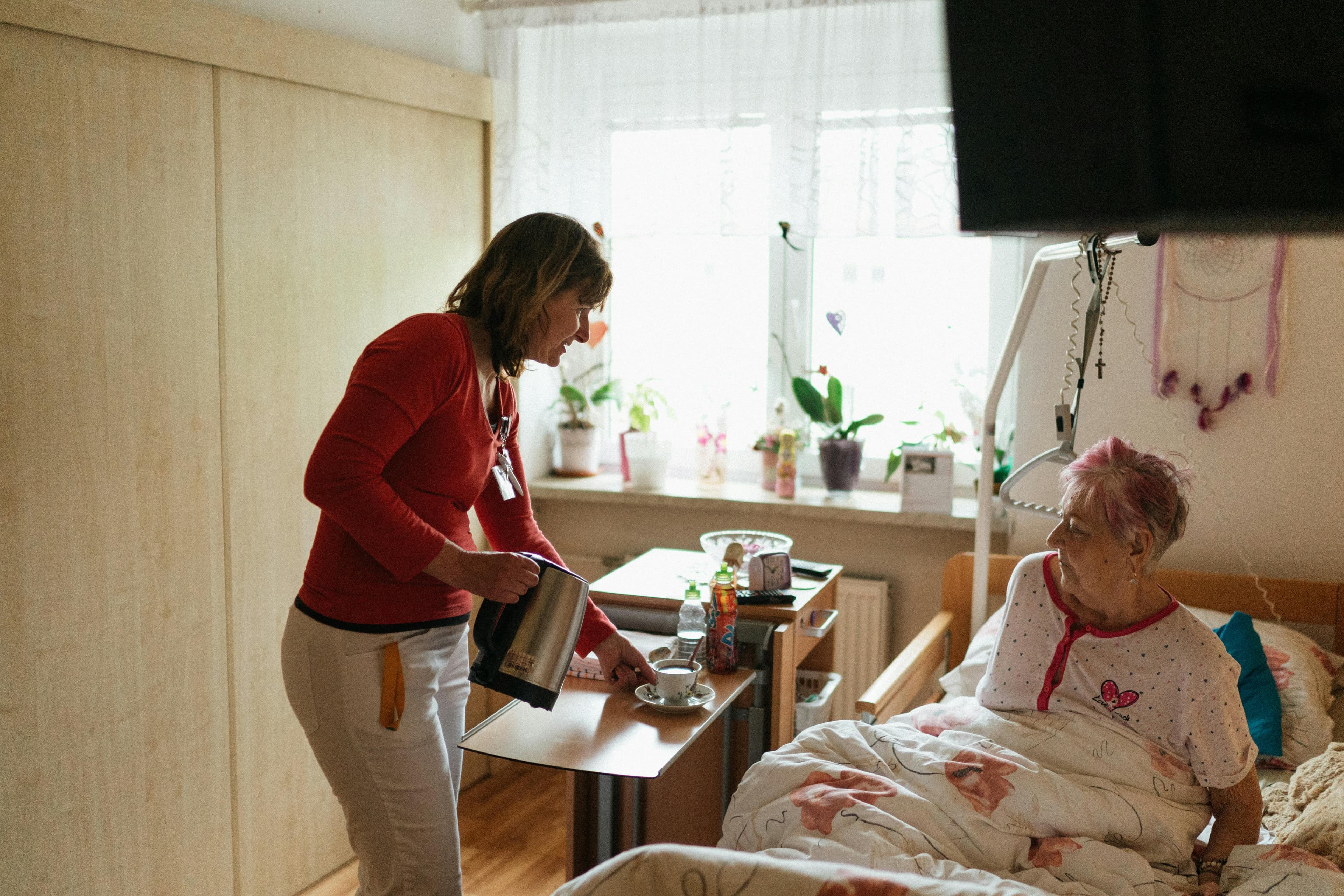
Personalised care begins with the understanding that no two people experience ageing in the same way. Health conditions, personality, culture, family background, and daily habits all shape what good support looks like. When care is tailored to the individual rather than delivered through a rigid checklist, older adults are more likely to feel comfortable, respected, and willing to engage positively with the help they receive.
Listening is the foundation of personalisation. A thorough assessment should explore not only medical needs but also routines, preferences, social connections, and goals for daily life. Someone may prioritise maintaining appearance, while another values staying active in the garden or attending a weekly community group. Capturing these details ensures that care visits focus on what matters most to the person receiving support.
Matching the right care professional can make a significant difference. Shared interests, communication styles, and temperament all influence whether a relationship feels natural and trusting. Continuity of care professional wherever possible helps build familiarity and makes it easier to notice subtle changes in mood, appetite, mobility, or cognition that might otherwise be missed during brief or impersonal interactions.
Personalised care also means adapting tasks to suit ability and dignity. Support with personal care should be delivered sensitively and at a pace that feels comfortable. Meal preparation can reflect dietary preferences and cultural traditions. Household help can be directed towards the areas that cause most stress, rather than imposing a standard list of chores that may feel irrelevant or intrusive.
Flexibility is a hallmark of person-centred support. Needs change — sometimes gradually, sometimes suddenly after illness or bereavement. A personalised care plan can be reviewed and adjusted without disrupting the broader goal of remaining at home. This responsiveness helps older adults feel that care evolves with them rather than boxing them into a service that no longer fits.
Families benefit when care feels genuinely individual. Clear communication, familiar care professionals, and support that reflects their loved one's personality provide reassurance that goes beyond task completion. Relatives are more confident leaving day-to-day support in place when they see that preferences are remembered and that their family member is treated as a person with a history, not simply a set of care needs.
At Naptec, personalised care means putting the individual at the centre of every decision — from matching care professionals to shaping visit priorities and adapting support over time. That focus helps people live with greater comfort, confidence, and dignity at home, improving quality of life in ways that standardised care models often struggle to achieve.
Professional elderly care at home across Croydon — personal care, dementia support, and flexible visits tailored to your family.
Dignified help with bathing, dressing, and daily living at home from trained caregivers in Croydon.
Specialist dementia and Alzheimer's care at home with trained caregivers who understand memory loss and changing needs.
Continuous support from a dedicated caregiver living in your home — an alternative to residential care for many families.
Planned or short-notice breaks for family carers, with trusted elderly care at home while you rest and recharge.
Sleep-in and waking night services so your loved one feels safe at home through the night.